The AFL’s contract market has become just as gripping as the footy itself. Every deal is picked apart, every extension analysed, and every breakout player quickly re-priced in the minds of fans and list managers alike. In 2026, with long-term mega deals, expansion pressure and tighter salary caps, it’s not just about talent; it’s about whether clubs are actually getting value for money and which names are emerging as the most overpaid and underpaid AFL players across the competition.
Across the competition, there is growing scrutiny on how lists are built and maintained, with internal reviews and external analysis placing a spotlight on which players are delivering on their contracts and which deals are starting to look questionable. It’s not always a reflection of effort or ability either; injuries, timing and list strategy all play a role in shaping how a contract is viewed.
Table of Contents
ToggleWhen viewed through that lens, identifying the most overpaid and underpaid AFL players at each club offers more than just debate; it reveals how teams have approached recruitment, retention and long-term planning, and where they may need to adjust moving forward.
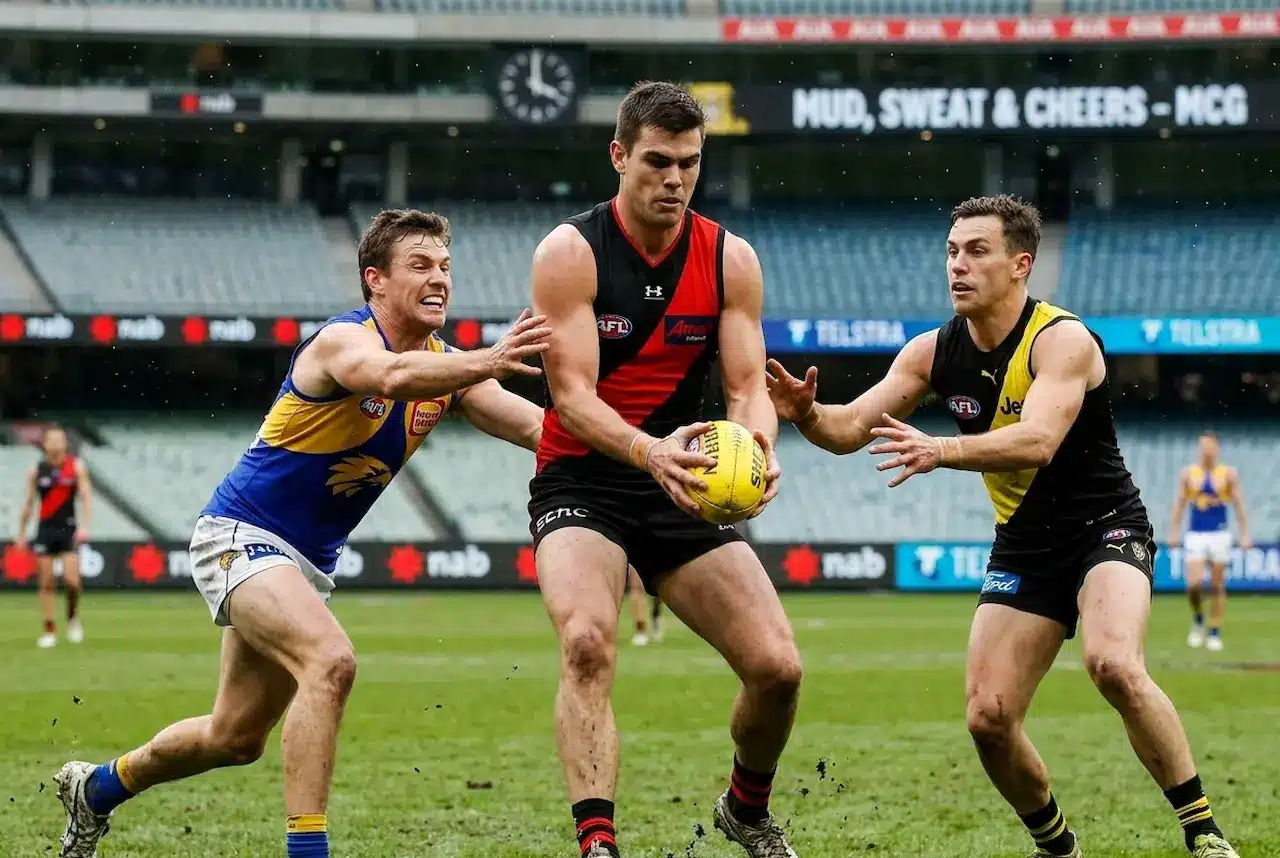
Breaking Down the Most Overpaid and Underpaid AFL Players in 2026
As the 2026 season unfolds, the conversation around list management has become sharper than ever, with clubs under constant pressure to justify every dollar of their salary cap. Big contracts handed out during rebuilds or finals pushes are now being re-evaluated through a harsher lens, while emerging stars on modest deals are quickly proving their worth. In this environment, the debate around the most overpaid and underpaid AFL players has become a central talking point for fans, analysts, and club decision-makers alike.
Breaking down each club’s list reveals more than just winners and losers in contract negotiations; it highlights the balance between potential and performance, timing and opportunity. Some players are carrying the weight of expectation that comes with significant long-term deals, while others are quietly delivering elite value without the recognition or pay packet that usually follows. With that in mind, here is a club-by-club breakdown of the most overpaid and underpaid AFL players in 2026, and what their situations say about where each team is headed next.
Melbourne
Melbourne’s high-performance culture means contracts like Harrison Petty’s $500k–$600k are closely scrutinised. Kade Chandler, on $250k–$350k, stands out as one of the competition’s most efficient forwards and is edging toward a significant pay rise.
North Melbourne
North’s rebuild has required paying overs, with Griffin Logue on around $700k. The challenge is turning that investment into long-term stability. Cooper Trembath, still on a lower deal, is emerging as a promising piece for the future.
Port Adelaide
Port’s aggressive retention strategy saw Miles Bergman secure a $1 million+ deal, though a slow start has put that under pressure. Mitch Georgiades, on $400k–$500k, remains a strong value asset, but his future uncertainty is a concern for the club.
Richmond
Richmond’s transition phase has highlighted contracts like Jacob Hopper’s $700k–$800k deal, with expectations still high despite the rebuild. Nick Vlastuin, historically underpaid at $500k–$600k, continues to represent consistent value across a decorated career.
St Kilda
St Kilda’s bold list decisions include Tom De Koning’s $800k–$900k deal, with pressure now mounting to justify the investment. Max Hall, on a rookie salary, stands out as a smart recruiting win and strong value pick.
Sydney Swans
Sydney’s development system continues to produce talent, but Logan McDonald’s $700k–$800k deal is still based on potential rather than consistent output. James Rowbottom, earning $400k–$500k, remains one of the competition’s most reliable and underappreciated midfielders.
Adelaide Crows
Adelaide’s rebuild since the post-2017 fallout has been about backing in youth, and Darcy Fogarty’s $700k–$800k deal is a clear example. The club’s leadership has shown faith in his long-term upside, but injuries and inconsistency have slowed that return. On the other end, Sam Berry, earning closer to $250k–$350k, is the type of player Adelaide’s system thrives on: tough, accountable, and reliable, representing the kind of value successful teams quietly build around.
Fremantle
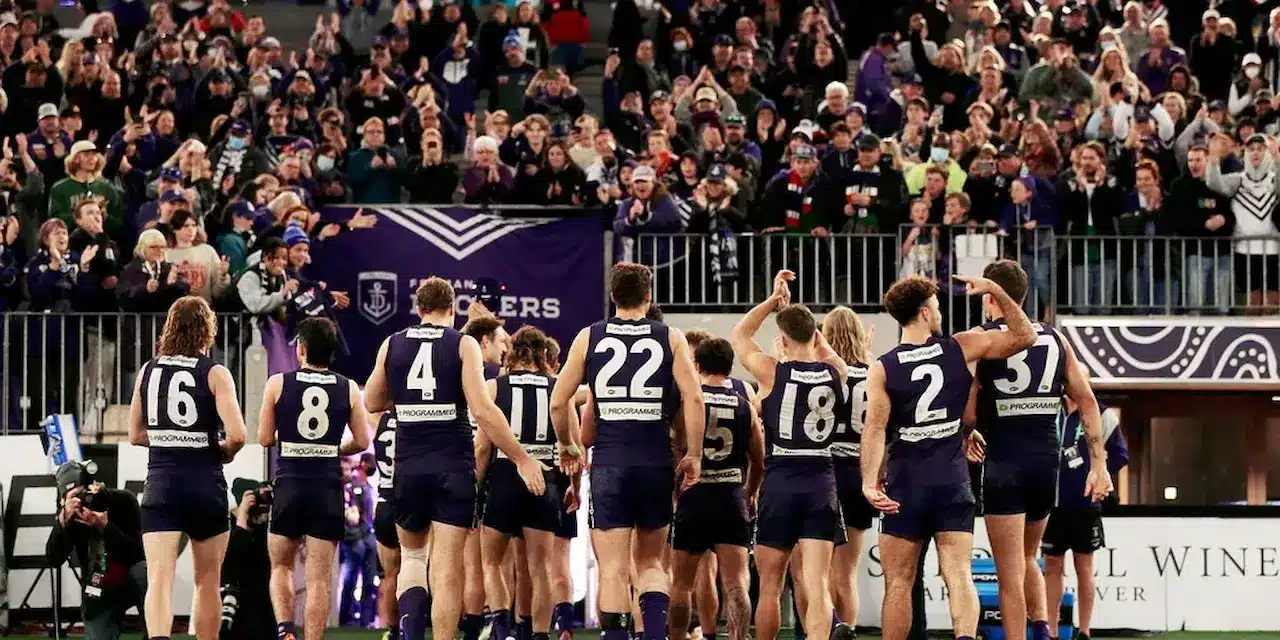
Fremantle’s list build has leaned heavily on key-position players, but Sean Darcy’s $700k salary hasn’t consistently translated into dominance. Patrick Voss, on a rookie deal, is providing excellent value and continues Fremantle’s improving talent identification trend.
Brisbane Lions
Brisbane’s stability as a club has often meant sticking by players through adversity. Eric Hipwood, on roughly $500k, hasn’t quite hit pre-injury form, but his contract isn’t as inflated as many believe. Logan Morris, likely on under $300k, is the real story, with his rapid rise suggesting Brisbane may soon face a major decision as his next deal could push into the $800k+ range.
Carlton
Carlton’s aggressive list strategy under recent administrations has led to big investments, such as Adam Cerra at $700k–$800k. Injuries have limited his impact, leaving the Blues still waiting for full value. Matt Carroll, on a rookie-level salary, is emerging as a low-cost contributor and an important piece for a club chasing finals consistency.
Collingwood
Collingwood rarely shies away from big moves, and Dan Houston’s ~$800k salary reflects that ambition. While solid, he hasn’t consistently delivered elite output. Beau McCreery, on roughly $150k–$250k, is a genuine bargain, and with expansion teams looming, he may soon command significantly more.
Essendon
Essendon’s long-standing defensive issues led to Ben McKay’s arrival on $800k–$900k. The investment hasn’t fully paid off yet, highlighting the risks of paying for positional need. Archie Roberts, earning around $300k–$400k, looks like a future star and may prove to be a long-term steal.
Geelong
Geelong’s system-first approach has kept them competitive for years, but James Worpel’s $600k deal feels slightly high for his output. Tom Atkins, earning $350k–$450k, continues to outperform expectations and embodies the club’s culture of role-based value.
Gold Coast Suns
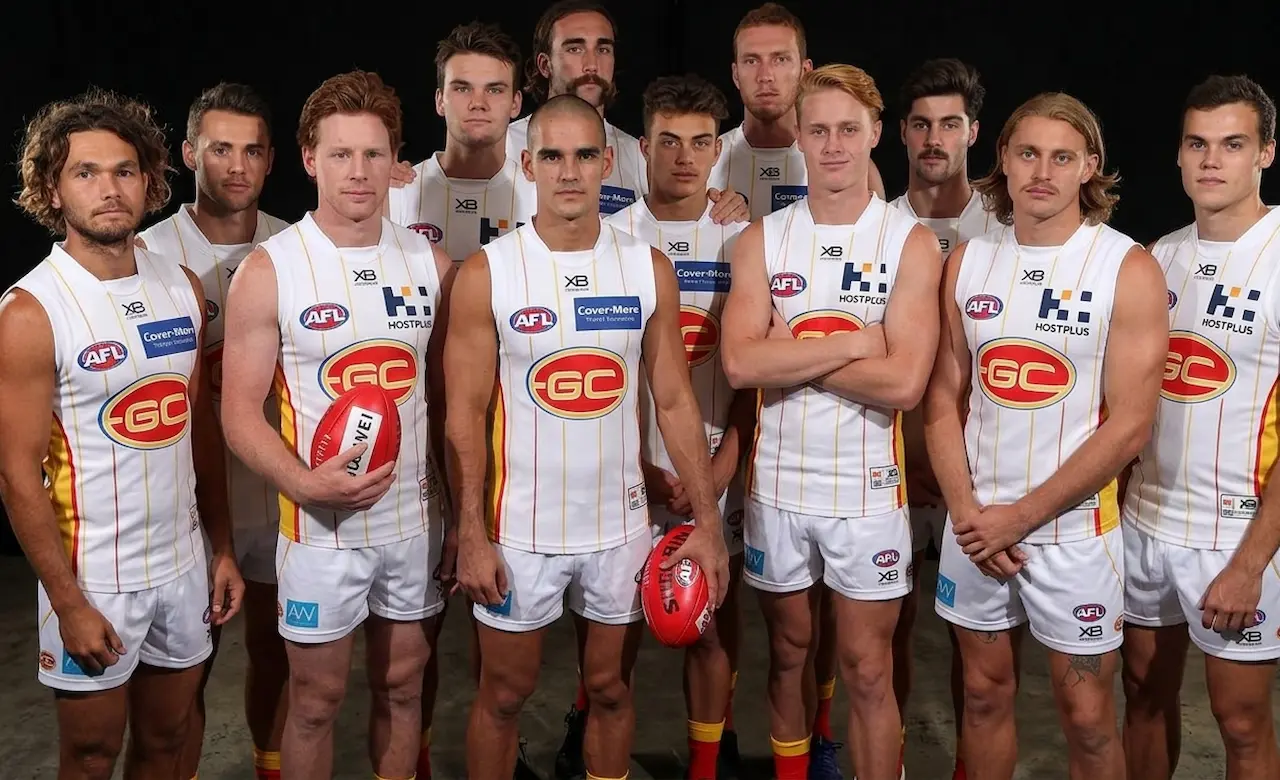
The Suns’ long-term deals are about locking in talent, but Mac Andrew’s near $1 million average salary is a big call for a developing player. Ned Moyle, on $300k–$400k, is stuck behind an established ruck but has shown enough to suggest a bigger role and potentially a bigger contract elsewhere.
GWS Giants
Stephen Coniglio’s $900k–$1 million deal reflects an earlier era when GWS was fighting to retain talent. Now, it limits flexibility as the club transitions. Lachie Ash, earning $400k–$500k, has become a key figure, and his next contract will likely reflect his growing importance.
Hawthorn
Hawthorn’s rapid rise has made some contracts look slightly out of sync, including Jack Scrimshaw’s $500k–$600k deal. Jack Gunston, late in his career at $300k–$400k, continues to deliver exceptional value as both a contributor and leader.
West Coast Eagles
West Coast’s rebuild has placed Tim Kelly’s $800k–$900k contract under scrutiny, as he hasn’t consistently delivered at that level. Milan Murdock, on around $100k, is one of the best bargains in the league and a positive sign for the club’s future direction.
Western Bulldogs
Cody Weightman’s $500k–$600k deal has been impacted by injuries, making it difficult to fully assess his value. Marcus Bontempelli, despite earning around $1 million, still feels underpaid given his influence; he remains the heartbeat of the Bulldogs both statistically and structurally.
Conclusion
In the end, identifying the most overpaid and underpaid AFL players in 2026 isn’t simply about criticism; it’s about context. Contracts are influenced by timing, potential, market pressure, and sometimes outright necessity. What feels like an overpay today can quickly be justified by performance tomorrow, while a bargain deal can just as easily turn into a future salary cap strain.
For clubs, the challenge never really stops: stay ahead of the curve, invest in the right talent, and consistently uncover value where others don’t. In the modern AFL landscape, smart spending matters just as much as smart recruiting, and more often than not, it’s the difference between building a contender and falling behind the pack.